The ASEAN Medical Device Directive (AMDD) is a regulatory framework established to harmonize medical device regulations across the ASEAN region. It ensures that medical devices marketed in member countries meet consistent safety, performance, and quality standards. Compliance with the AMDD is crucial for manufacturers and distributors seeking access to ASEAN healthcare markets.
What is the ASEAN Medical Device Directive (AMDD)?
The AMDD provides a unified approach for regulating medical devices in ASEAN member states. Its main goal is to protect patient safety, improve healthcare quality, and facilitate trade by creating a common set of requirements for device registration, assessment, and market surveillance.
By following the AMDD, manufacturers can demonstrate that their devices comply with internationally recognized safety and performance standards, reducing regulatory complexity when entering multiple ASEAN countries.
Which Countries Follow the AMDD?
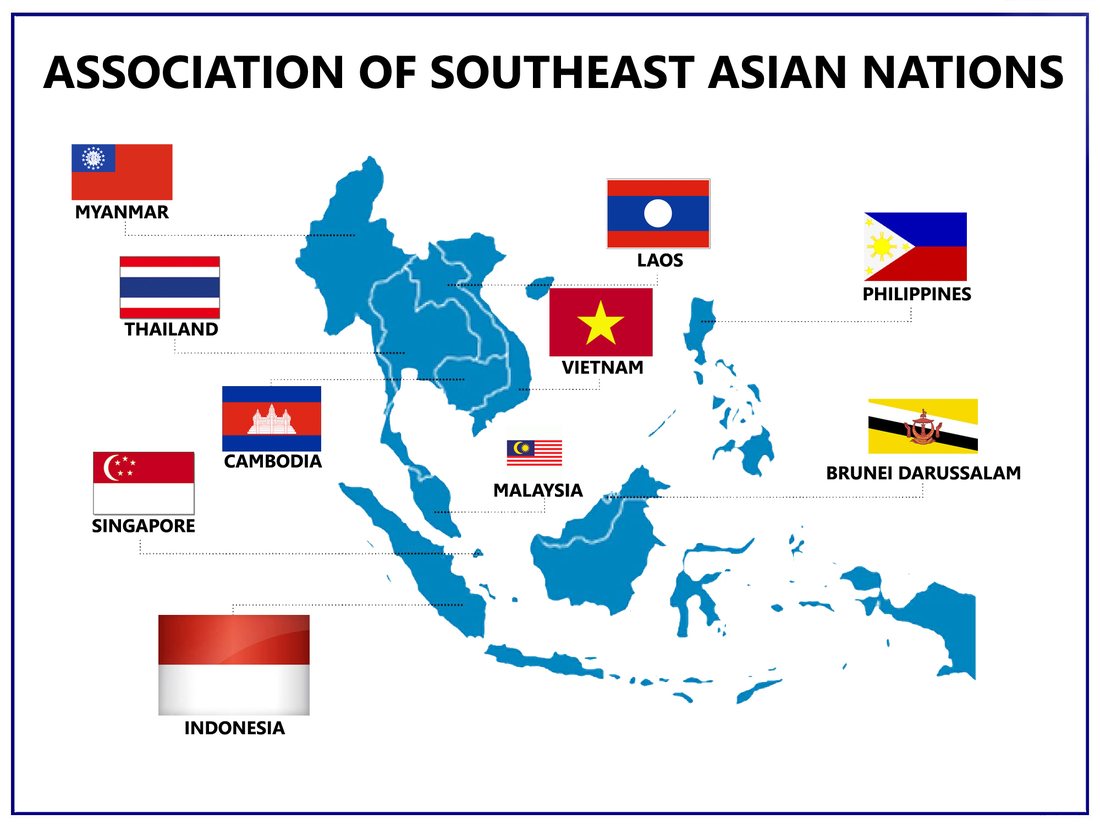
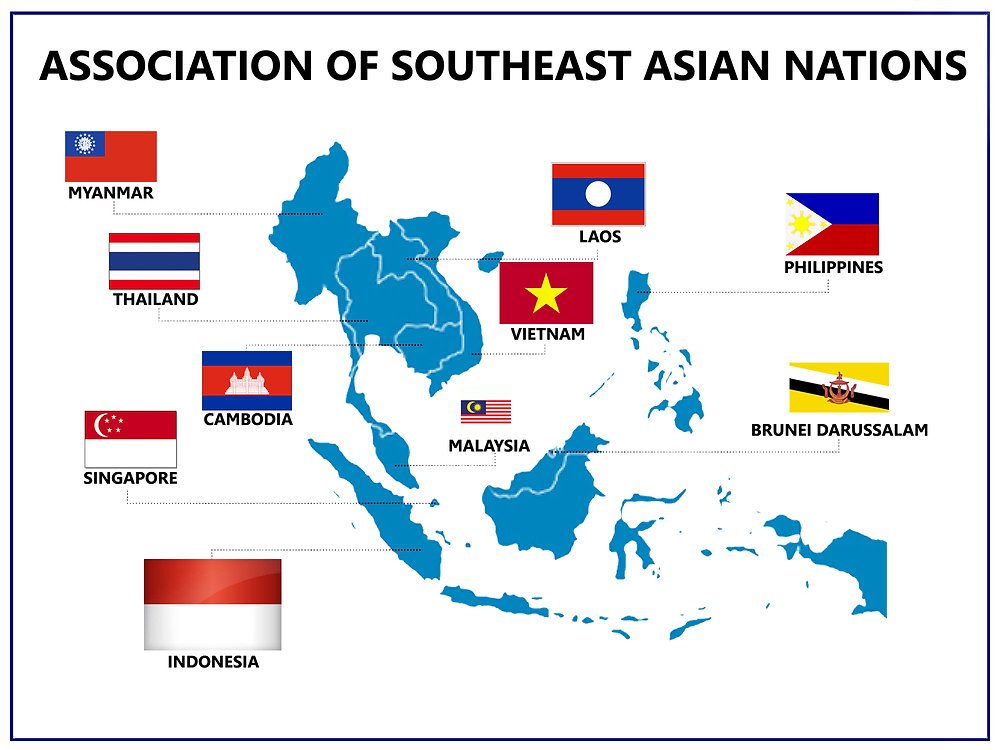
The AMDD applies to all ASEAN member states: Brunei · Cambodia · Indonesia · Laos · Malaysia · Myanmar · Philippines · Singapore · Thailand · Vietnam. Each country may have its own timeline for full adoption, and some implement local variations. However, the AMDD provides a baseline standard that ensures devices meet regional safety and quality requirements.
| Compliance | Countries |
| Fully Compliant | Singapore, Malaysia, Indonesia |
| Largely Compliant | Brunei Darussalam, Vietnam |
| Partially Compliant | The Philippines, Cambodia, Thailand |
| In Development | Laos, Myanmar |
Medical Device Classification Under the AMDD
The AMDD uses a risk-based classification system, dividing devices into four classes based on potential risk to patients:
| Class | Risk Level |
| A | Low Risk |
| B | Low – Moderate Risk |
| C | Moderate – High Risk |
| D | High Risk |
Structure of the AMDD
- Scope and Definitions — clarifies which devices are covered.
- General Safety and Performance Requirements — outlines essential criteria for device design, manufacture, and use.
- Classification Rules — defines device classes based on risk.
- Conformity Assessment Procedures — details technical documentation, risk assessment, and testing required.
- Post-Market Obligations — includes vigilance reporting, recalls, and surveillance.
- Market Authorization and Registration — requirements for ASEAN member state approval.
Requirements Under the AMDD
- Quality Management System (QMS) — often based on ISO 13485 standards.
- Risk Management — identification, assessment, and mitigation of device risks (ISO 14971).
- Labeling and Instructions for Use — clear, accurate, and understandable for intended users.
- Clinical Evaluation or Evidence — proof that the device performs as intended and is safe for patients.
- Post-Market Surveillance — continuous monitoring of device performance and safety.
Why Compliance Matters for ASEAN Market Access
Following the AMDD is not just regulatory; it's strategic. Compliance ensures patient safety and trust, reduces regulatory delays and duplicative submissions across ASEAN, enhances competitiveness in a growing healthcare market, and helps manufacturers maintain quality and performance standards across multiple countries.
Conclusion
The ASEAN Medical Device Directive functions as a critical framework for manufacturers and healthcare providers aiming to operate in the ASEAN region. Understanding device classification, conformity requirements, and post-market obligations ensures safe, effective, and compliant medical devices reach the market while protecting patient health.