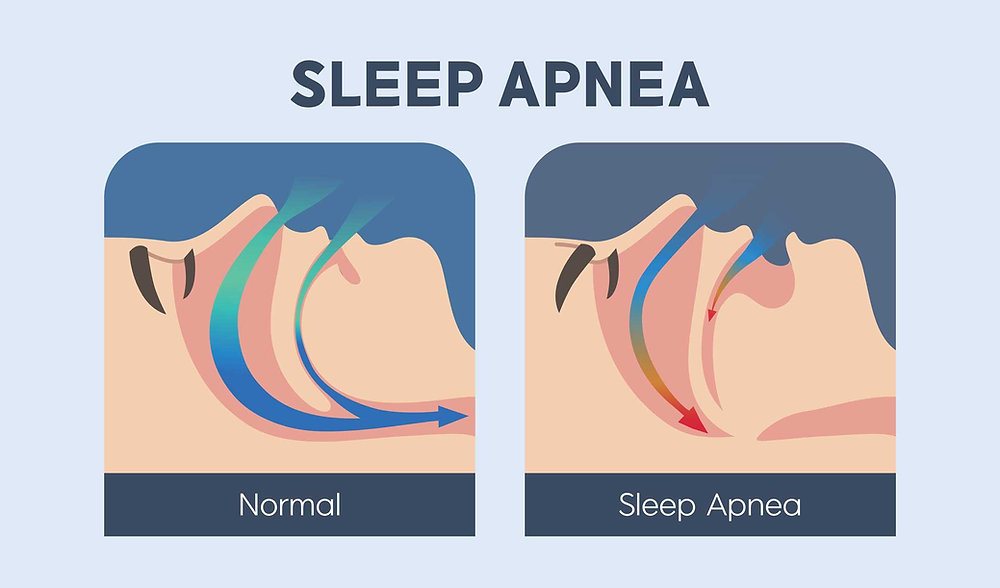
Sleep apnea is a common but often overlooked disease that affects millions worldwide. It disrupts breathing during sleep, leading to poor rest and serious health risks. Understanding what sleep apnea is, its symptoms, causes, diagnosis, and treatment options can help those affected improve their quality of life.
What Is Sleep Apnea and How Common Is It?
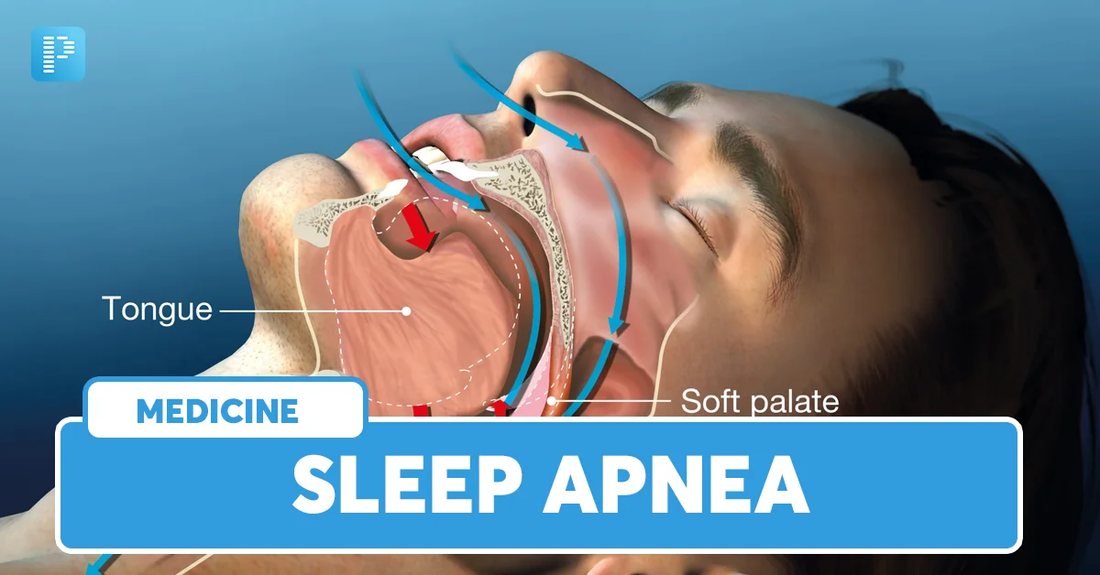
Sleep apnea is a disorder where breathing repeatedly stops and starts during sleep. This interruption can last from a few seconds to minutes and may occur dozens of times per hour. The most common types include:
- Obstructive sleep apnea (OSA): Caused by blockage of the airway, usually when throat muscles relax.
- Central sleep apnea (CSA): Occurs when the brain fails to send proper signals to muscles that control breathing.
- Complex sleep apnea syndrome: A combination of OSA and CSA.
Sleep apnea affects about 22 million Americans, with many cases undiagnosed. It is more common in men, older adults, and people with obesity.
Symptoms and Causes of Sleep Apnea
Common symptoms include loud chronic snoring, episodes of stopped breathing witnessed by others, gasping or choking during sleep, excessive daytime sleepiness or fatigue, morning headaches, difficulty concentrating, and irritability or mood changes.
For obstructive sleep apnea, the airway becomes blocked due to relaxed throat muscles, enlarged tonsils, or excess tissue. Central sleep apnea results from issues in the brain's respiratory control centers. Risk factors include excess weight, large neck circumference, narrow airway anatomy, smoking and alcohol use, family history, hypertension/diabetes/heart disease, and age over 40.
How Sleep Apnea Is Diagnosed
Diagnosis starts with a detailed medical history and physical exam. The most definitive way to diagnose sleep apnea is through sleep studies:
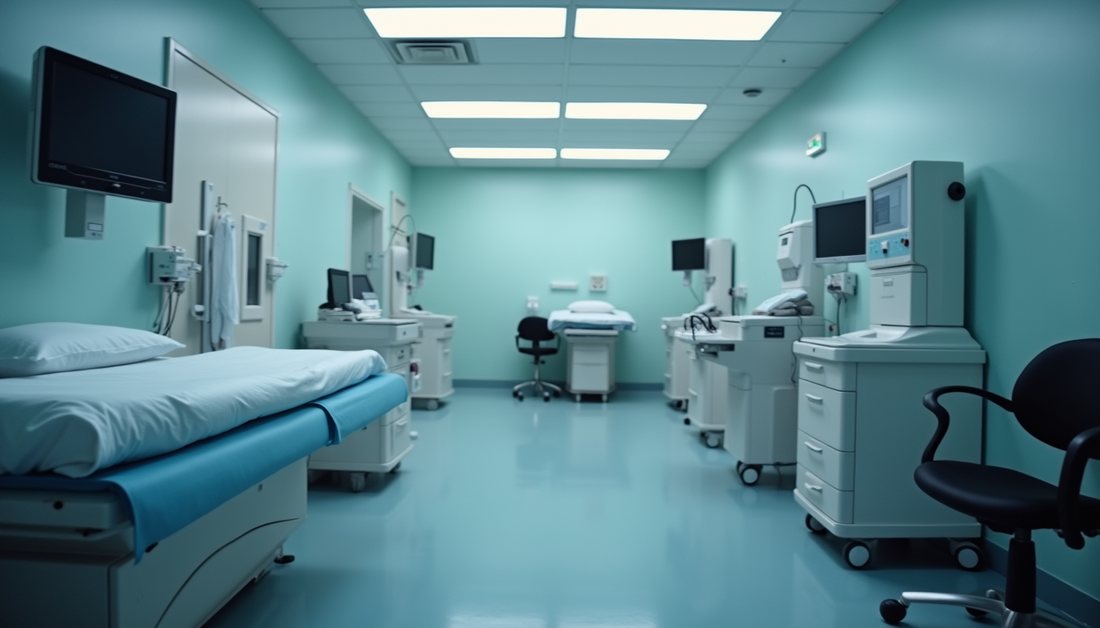
- Polysomnography (PSG): Conducted overnight in a sleep lab, recording brain waves, oxygen levels, heart rate, breathing patterns, and limb movements.
- Home sleep apnea testing (HSAT): A simplified version of PSG done at home, measuring airflow, breathing effort, and oxygen levels.
Severity is measured by the apnea-hypopnea index (AHI): mild (5–15 events/hour), moderate (15–30), and severe (more than 30 per hour).
Managing and Treating Sleep Apnea
- Lifestyle changes: Weight loss, quitting smoking, avoiding alcohol before bed, and changing sleep positions.
- Continuous positive airway pressure (CPAP): A machine delivers air pressure through a mask to keep airways open.
- Oral appliances: Devices fitted by dentists to reposition the jaw and tongue.
- Surgery: Procedures to remove excess tissue or correct anatomical problems.
One innovative option is the Sefam Nea Auto, a device designed to support airway patency during sleep. It offers an alternative for patients who cannot tolerate CPAP, adjusting automatically to breathing patterns to improve comfort and effectiveness.
Preventing Sleep Apnea
Maintain a healthy weight, avoid alcohol and sedatives before bedtime, sleep on your side instead of your back, treat nasal congestion to improve airflow, and quit smoking to reduce airway inflammation. Early intervention and regular check-ups can prevent complications such as high blood pressure, heart disease, and stroke.